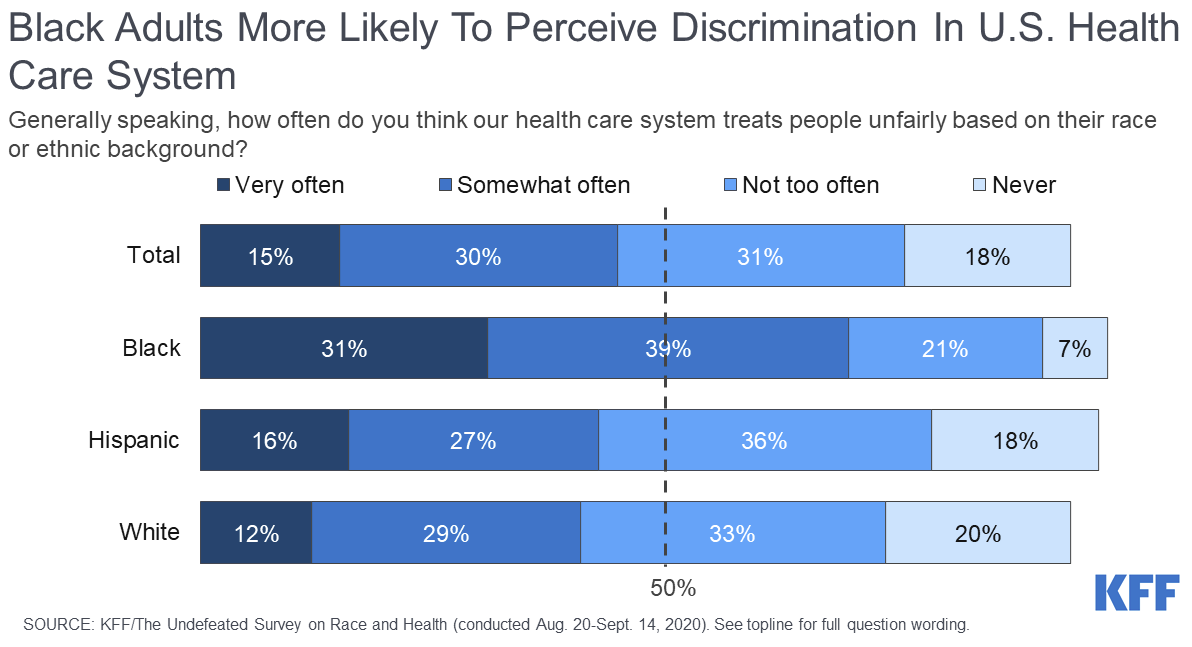
This podcast opens with a narration by a woman named Nikole Hannah-Jones. She begins by introducing the speaker's family and Nikole focuses on her special relationship with her Uncle Ed. In a heartbreaking end, her uncle dies because of the lack of access to equitable health care. That was current, but then the podcast goes back in time to 1866, the beginning of Reconstruction, following the Civil War. The time period is typically viewed as a failure due to the blatant systemic racism of Jim Crow Laws and the KKK. Then the narrators jump ahead in time again to the 1940s, then the 60s and 80s.
The narrators do a great job of telling this story by seamlessly weaving in historical events and the social, economic, and political conditions for Black Americans across time. Skipping through the timeline is actually very powerful. Normally history is taught chronologically and you go year to year and that makes it harder to really see the change (or lack of change) over time. By skipping ahead the message is clear, there hasn't been much progress when it comes to healthcare. In the preamble of the U.S. Consitution, it says that the government will "promote the general welfare" but through this podcast, it is clear that when it comes to all types of welfare the government isn't protecting it for all. I enjoyed the layer that this podcast had and how it included the voices of the people it told the story of in time and place.
Podcasts as a learning tool for students is actually a conversation that my department began having at the end of this year. We even thought of using podcasts to replace our summer reading. We didn't end up creating a summer reading assignment but we did throw around the idea of using it in our first unit around a common theme we will explore. I think podcasts could be a great way to engage students, although I'm not entirely sure how I could structure it with my middle school students. The structure of it, how it's told like a story and makes connections through real stories is engaging. When the podcast was over I thought about how it could fit into my high school classes and I immediately thought of the themes of social studies standards and how so many are present in this podcast, and I thought about the discussions that could come from it. For example, in this podcast the narrator says, "Health care is a human right, and that any program that expands access to health care is the duty of a free and democratic society." This could become a discussion around what is a human right, or what is the responsibility of the government to protect citizens? I think a podcast could be more than a supplemental tool. I think it could start some deep conversations that are relevant, and meaningful to my students.


I appreciate your insight, Samantha, when you point out how the weaving of events over an expansive timeline really drive home the idea that there really isn't much (if any) progress being made on the social justice fronts of medical care.
ReplyDeleteGood find on the visual! It really captures the theme of this episode of the 1619 podcast. Unfortunately, I feel as though many White people believe in meritocracy and an idealistic fantasy America where racism doesn't exist and never did.
Also, I agree with your assertion that podcasts create opportunities for deeper conversations that may not have otherwise been available. I think that starting small with short podcasts will help to show students how they are structured. I think that many will like the idea of having the mic.